
How to Avoid Sleep While Studying: 13 Easy Tips
Quick Summary
- The best way to avoid sleep while studying is to combine bright light, movement, active recall, short breaks, water, light meals, and a study place away from your bed.
- Don’t fight sleep by only drinking more coffee. Fix the real causes: low energy, boring study methods, poor sleep, dehydration, heavy food, and weak planning.
- If you are extremely sleepy, a short nap or proper sleep can work better than forcing yourself through low-quality study. Sleep supports attention, learning, and memory. (CDC)
How to Avoid Sleep While Studying: 13 Easy Tips That Actually Work
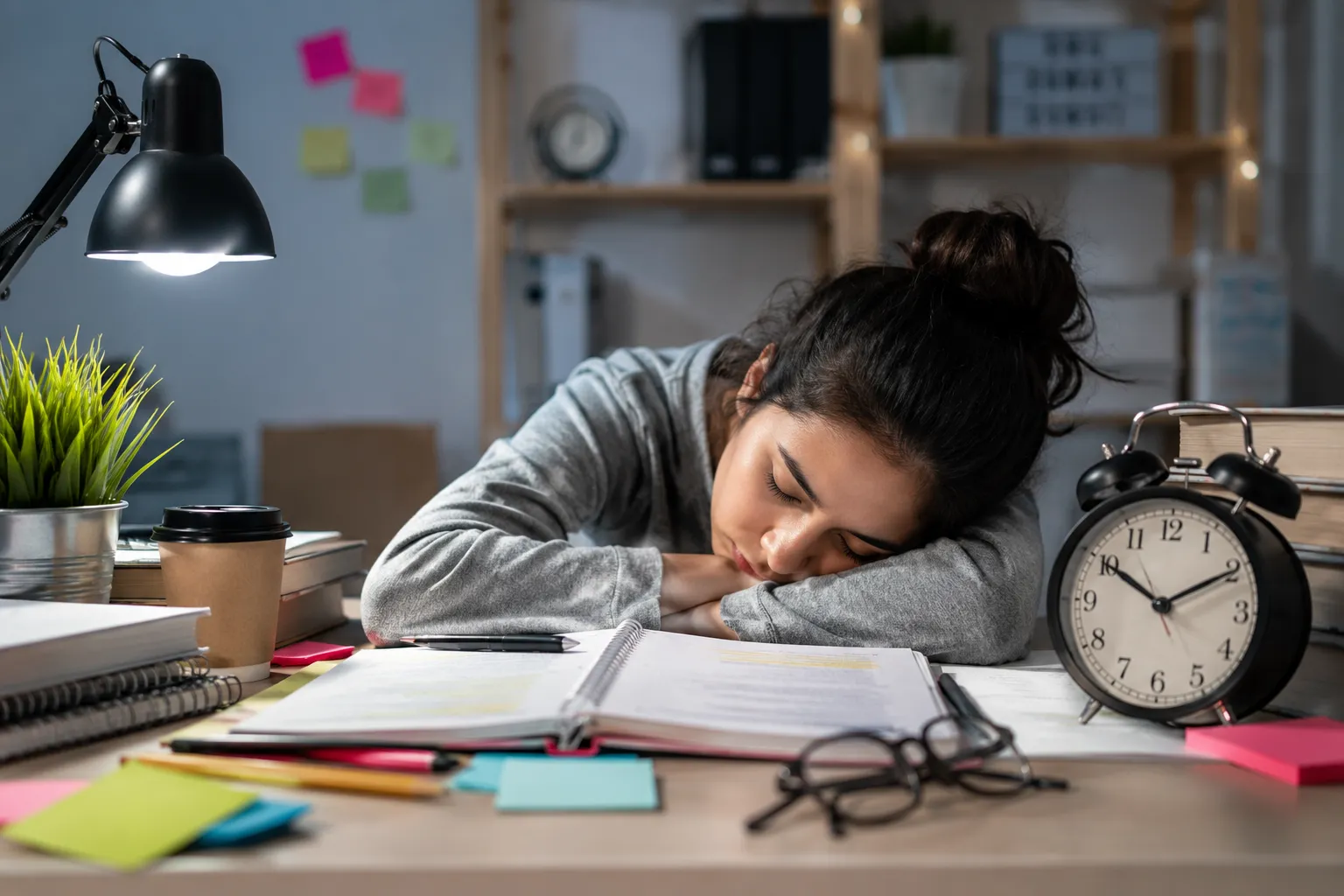
Need to know how to avoid sleep while studying because your eyes are closing, your book is open, and your brain has already left the room? You’re not lazy. Studying often makes students sleepy because the body is tired, the brain is bored, the room is too comfortable, or the study method is too passive.
The fastest way to stop feeling sleepy while studying is to change your body state and your study style. Sit upright, study in bright light, drink water, move every 30–50 minutes, avoid heavy meals, use active recall, and keep your phone away. Healthline also recommends movement, light, sitting upright, hydration, active study, and better sleep as practical ways to stay awake while studying. (Healthline)
What is sleepiness while studying?
Sleepiness while studying is a drop in alertness that makes it harder to focus, remember, and understand information. It often happens when your brain is tired, under-stimulated, or working in a sleep-friendly environment.
Can I study the whole night without sleeping?
You can, but it is usually not the best plan. If you must study late, use short active sessions, take breaks, use bright light, eat lightly, and sleep as soon as possible. The CDC explains that sleep supports body and brain function, including learning and attention. (CDC)
What is the best trick to stay awake while studying?
The best trick is not coffee. It is active studying. Reading silently makes you sleepy. Testing yourself, solving questions, teaching aloud, making flashcards, and writing from memory keep the brain alert.
What Does It Mean to Avoid Sleep While Studying?

Avoiding sleep while studying does not mean abusing your body until sunrise. It means creating study conditions that keep your brain alert enough to learn.
A good study session should feel active. You should be doing something with the information, not just looking at it.
That includes:
- Asking questions
- Solving problems
- Making flashcards
- Teaching the topic aloud
- Drawing diagrams
- Writing summaries
- Taking timed quizzes
- Reviewing mistakes
If your study method is “read the same page again and again,” your brain may treat it like a bedtime story. No wonder you feel sleepy.
Why Do You Feel Sleepy While Studying?

You feel sleepy while studying because your brain is either tired, bored, under-fueled, or too comfortable.
Here are the most common reasons:
- You slept too little last night
- You are studying in bed
- Your room is dark or warm
- You ate a heavy meal
- You are dehydrated
- You are reading passively
- Your phone keeps breaking your focus
- You are studying too long without breaks
- The topic feels confusing or boring
- You are studying at your natural low-energy time
The problem is not always “lack of motivation.” Sometimes your setup is literally telling your body, “Relax, it’s sleep time.”
How to Avoid Sleep While Studying at Night

Night study is tricky because your body naturally expects rest when it is dark. That does not mean night study is impossible. It just means you need to be smarter.
Use this night study setup:
- Keep bright light on
- Sit at a desk, not on your bed
- Keep water nearby
- Study in 25–30 minute blocks
- Use active recall, not passive reading
- Take movement breaks
- Eat light snacks, not heavy meals
- Avoid scrolling during breaks
- Sleep after your most important work is done
If you’re studying late because of an exam tomorrow, start with high-value topics. The University of Arkansas advises students to plan cram sessions by focusing on what they do not know and organizing the most important material first. (Student Success)
13 Best Ways to Avoid Sleep While Studying
1. Sit Upright and Leave the Bed
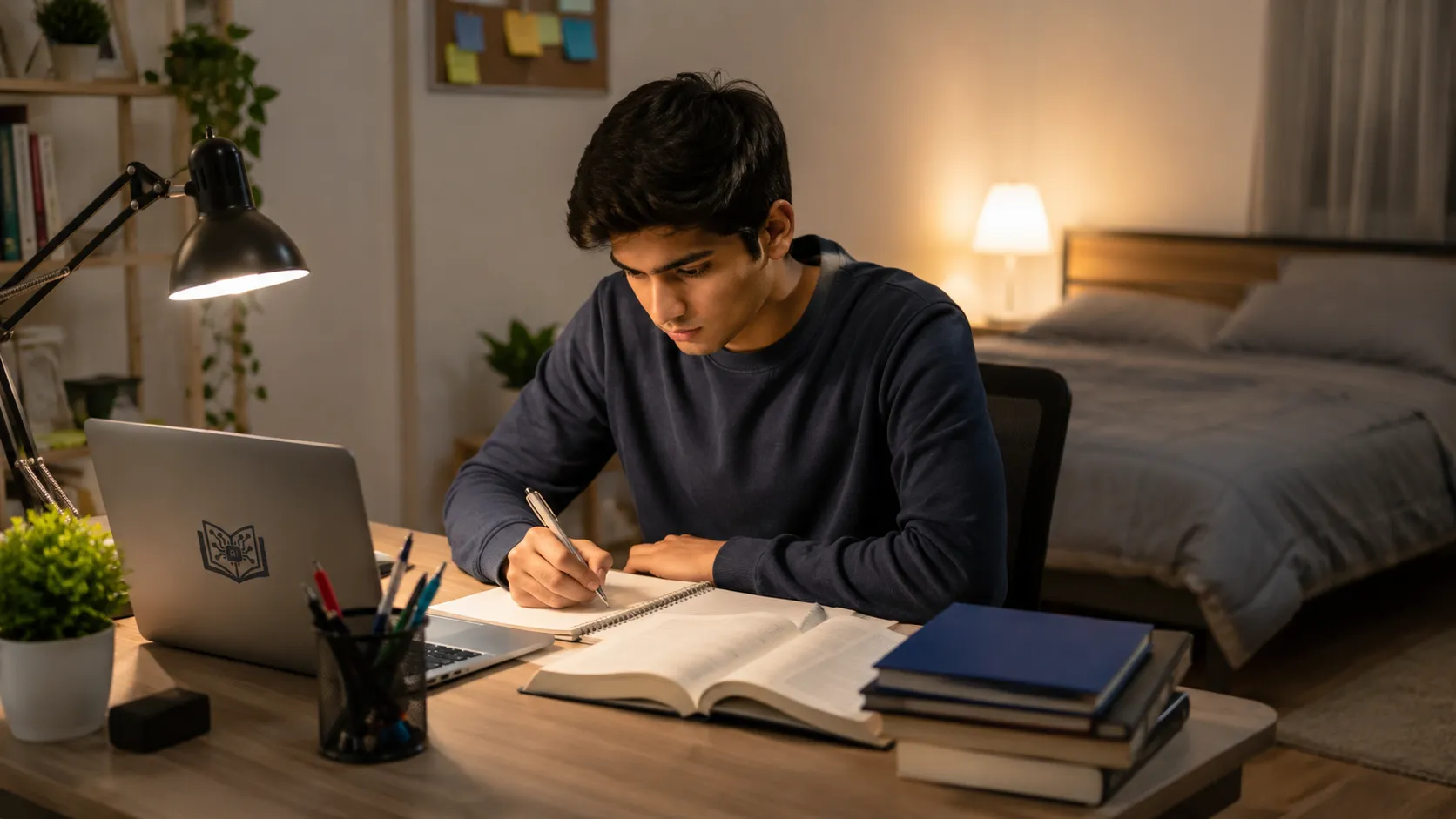
Your bed is for sleep. Your brain knows this.
If you study while lying down, your body gets the message: “We are resting now.” Even if you open the book, your posture is already working against you.
Instead:
- Sit at a desk
- Keep your back straight
- Put both feet on the floor
- Keep your book or laptop at eye level
- Avoid pillows and blankets
Healthline notes that sitting upright and avoiding the bedroom can help students stay more alert while studying. (Healthline)
Pro tip: If you feel sleepy, stand up and revise for 10 minutes. Read your notes aloud while walking slowly.
2. Use Bright Light

Dark rooms make your body sleepy. Bright light tells your brain to stay awake.
If you study at night, one small lamp may not be enough. Use a bright room light or a strong desk lamp. Keep the light in front of you or above your desk, not behind you.
Good lighting helps you:
- Stay alert
- Read more easily
- Reduce eye strain
- Avoid the “sleepy room” feeling
Don’t study in a cozy dark corner unless your goal is to wake up with your face inside the notebook.
3. Move Every 30–50 Minutes
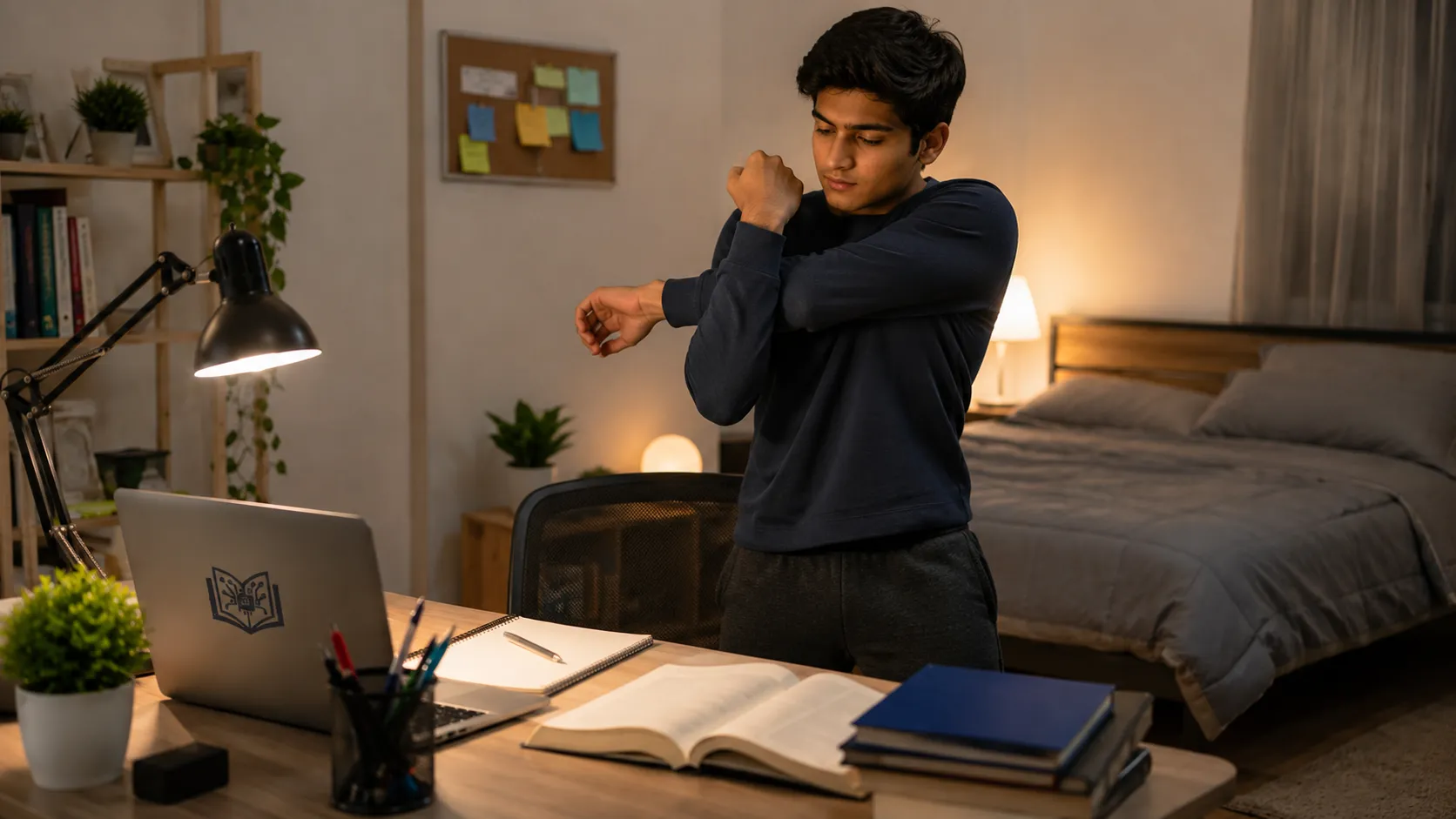
Movement is one of the fastest ways to wake up your body.
You don’t need a full workout. Just move enough to increase blood flow and reset your attention.
Try:
- 10 squats
- 20 jumping jacks
- A 5-minute walk
- Stretching your shoulders
- Walking while revising flashcards
- Climbing stairs once or twice
Healthline recommends short movement breaks every 30–50 minutes to help students stay awake and focused. (Healthline)
4. Drink Water Before Coffee

Many students go straight to coffee, but first ask: “Have I had water?”
Dehydration can make you feel tired, slow, and foggy. Keep a water bottle on your desk and sip during study blocks.
A simple plan:
- Drink water before starting
- Sip during breaks
- Avoid too many sugary drinks
- Don’t drink so much that you need a bathroom break every 10 minutes
Coffee can help some students, but water should be the base.
5. Use Active Recall
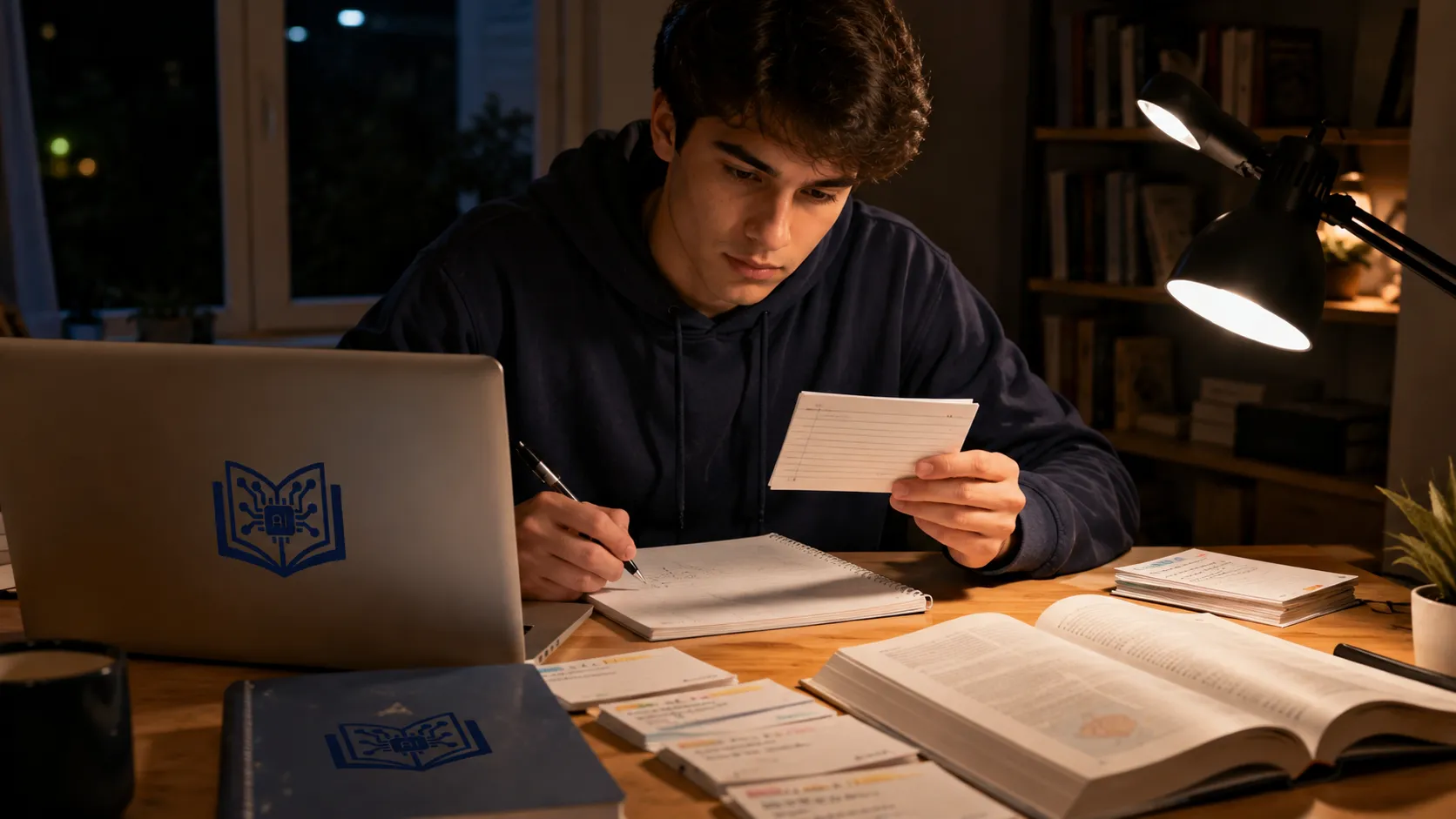
Active recall means testing yourself without looking at the answer.
This is one of the best ways to stay awake because your brain has to work. Passive reading is sleepy. Self-testing is active.
How to use active recall:
- Read one small section
- Close the book
- Ask yourself a question
- Answer from memory
- Check the answer
- Fix mistakes
Example:
Instead of rereading “causes of inflation,” ask:
- What is demand-pull inflation?
- What is cost-push inflation?
- Give one example of inflation.
The UNC Learning Center recommends active study methods such as quizzing, explaining, and organizing information instead of relying only on rereading. (The Learning Center)
You can also use this guide on how to convert notes into flashcards to turn boring notes into quick self-test cards.
6. Study in Short Blocks
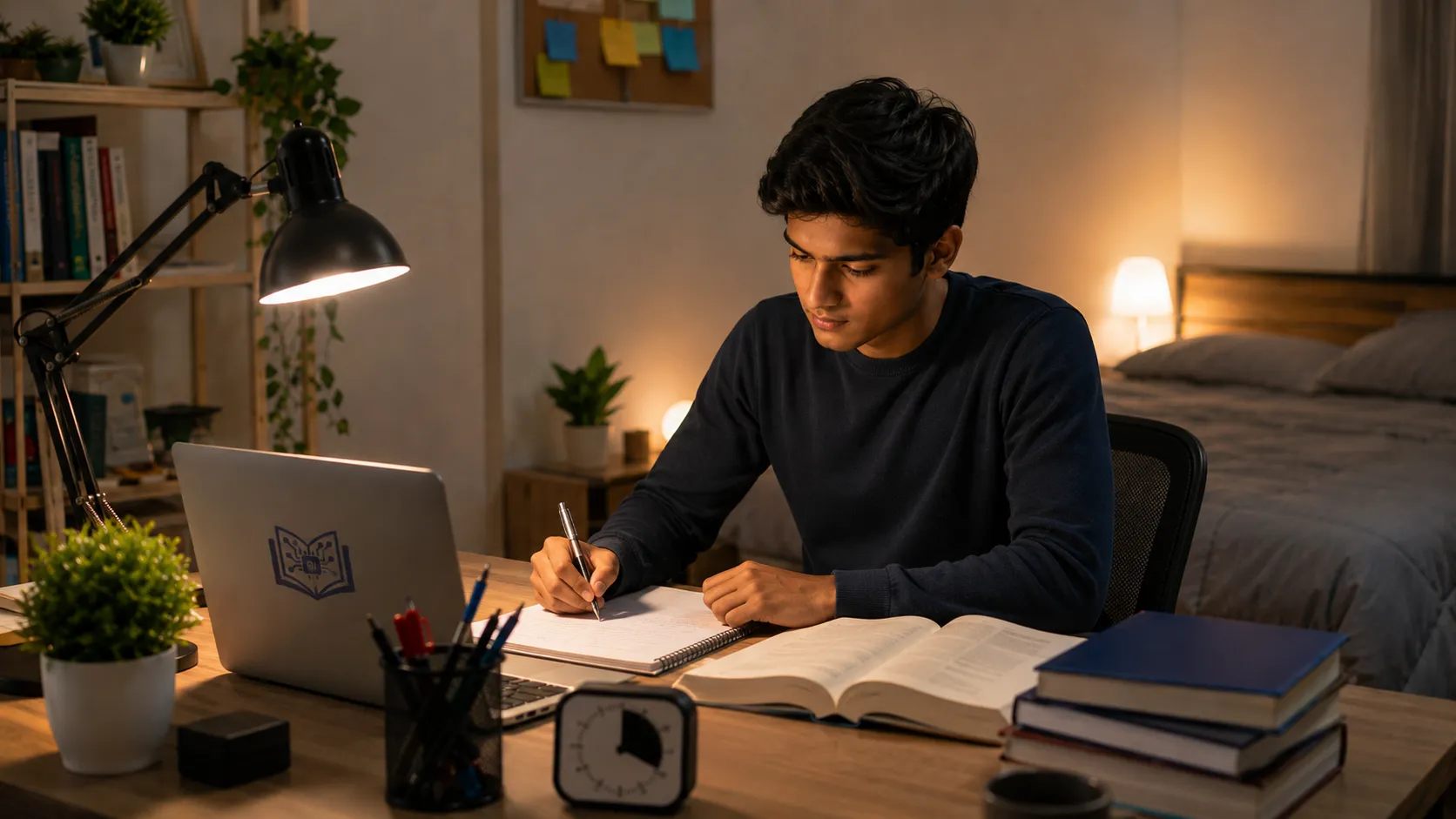
Long study sessions can make your brain tired. Short blocks keep your focus fresh.
Try this simple method:
- 25 minutes study
- 5 minutes break
- 25 minutes study
- 5 minutes break
- 25 minutes study
- 15 minutes longer break
During each block, choose one clear task.
Bad task:
“Study biology.”
Better task:
“Revise the diagram of the human heart and test myself on all labels.”
Your brain likes clear targets.
7. Don’t Eat Heavy Meals Before Studying

A heavy meal can make you sleepy because your body becomes busy with digestion. This is why students often feel tired after rice, fried food, fast food, or a very large dinner.
Before studying, choose lighter meals.
Better options:
- Eggs and toast
- Yogurt and fruit
- Oats
- Nuts
- Apple with peanut butter
- Chicken sandwich
- Lentils or beans
- Soup
- Banana
Avoid studying right after a very heavy meal. Give your body some time, or take a short walk before sitting down.
8. Keep Your Phone Away
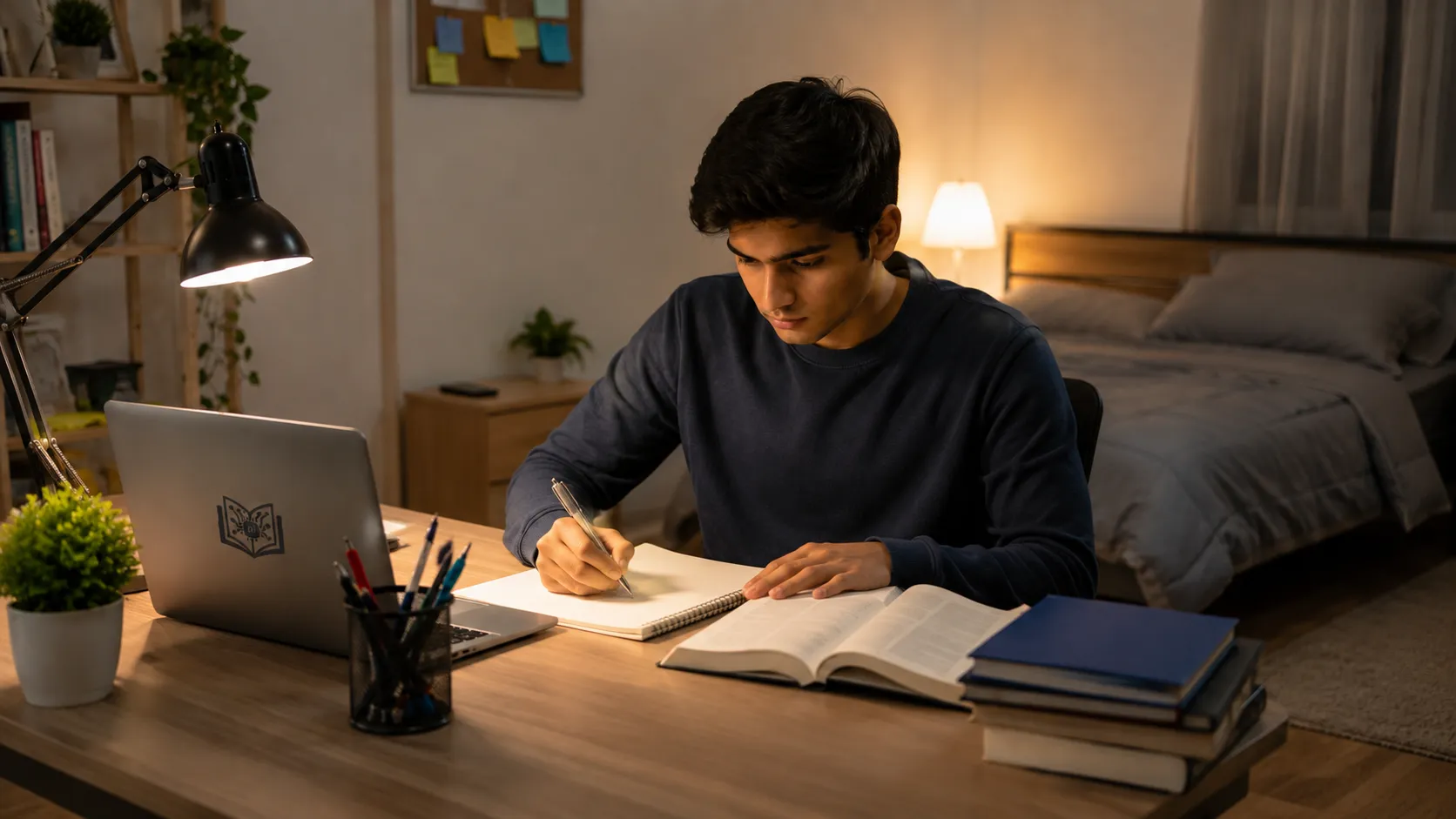
Your phone does not just waste time. It drains mental energy.
Every notification pulls your brain away from the topic. Then you need extra effort to return. After a few interruptions, studying starts to feel harder, and sleepiness can increase.
Do this:
- Put your phone across the room
- Turn on focus mode
- Use airplane mode
- Block distracting apps
- Keep only study tools open
If you use your phone for study, keep only one app open. No “just checking one message.” That one message has cousins, friends, and a full social media family waiting for you.
9. Read Aloud or Teach Someone

Reading silently can become boring fast. Reading aloud wakes up your brain because you use your eyes, voice, ears, and memory at the same time.
Try teaching the topic to:
- A friend
- A sibling
- Your wall
- Your phone camera
- An imaginary student
Use this format:
- “The main idea is…”
- “This means…”
- “An example is…”
- “This is important because…”
If you cannot explain it simply, you probably need to review it again.
10. Change Your Study Place
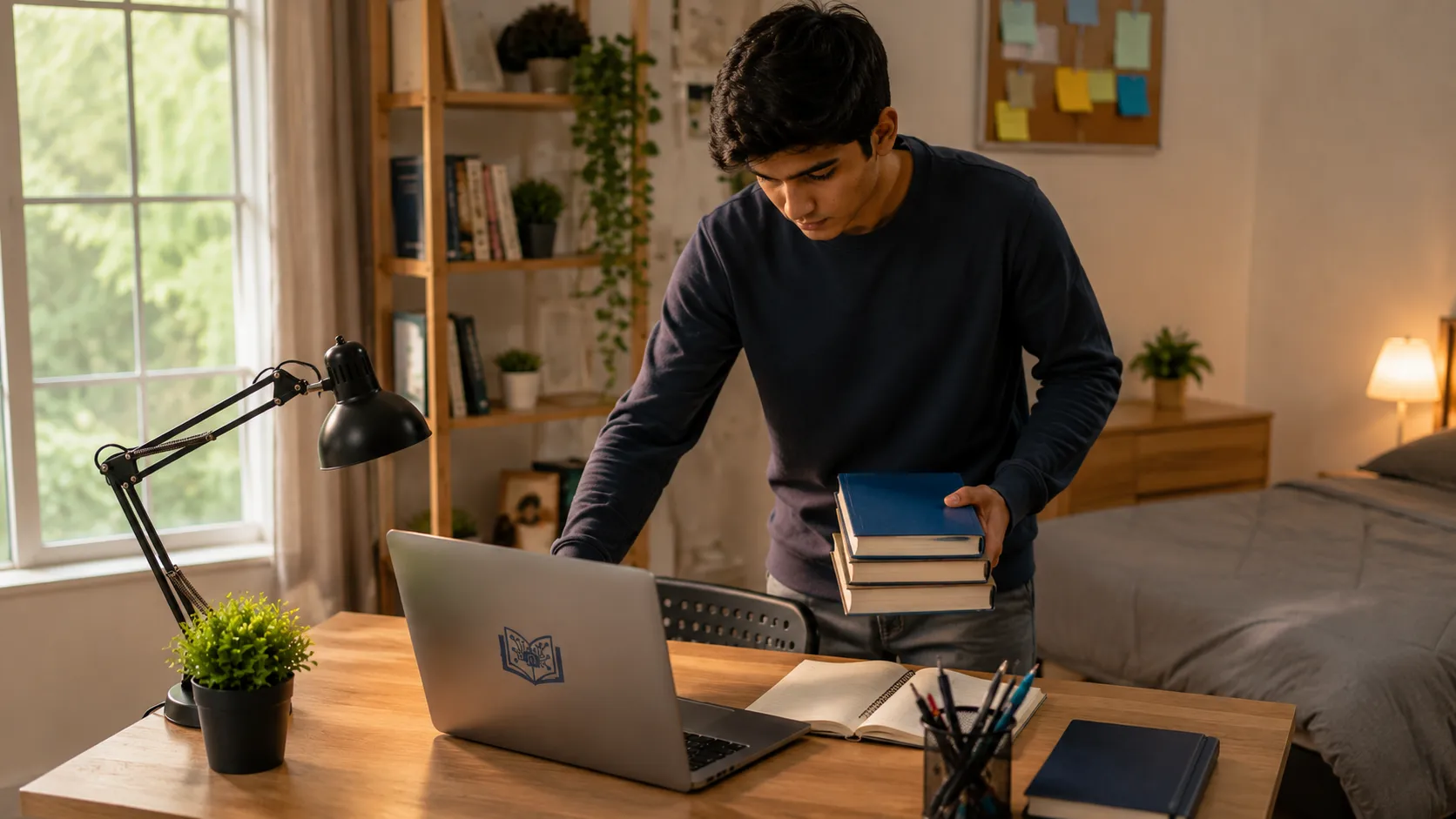
Your environment affects your energy.
If your room makes you sleepy, change the place. Go to a library, dining table, study room, or quiet corner. Even moving from bed to desk can help.
A good study place should be:
- Bright
- Clean
- Slightly cool
- Not too comfortable
- Away from bed
- Away from TV
- Easy to organize
Don’t make the place so comfortable that it becomes a nap station.
11. Use AI to Make Study Active
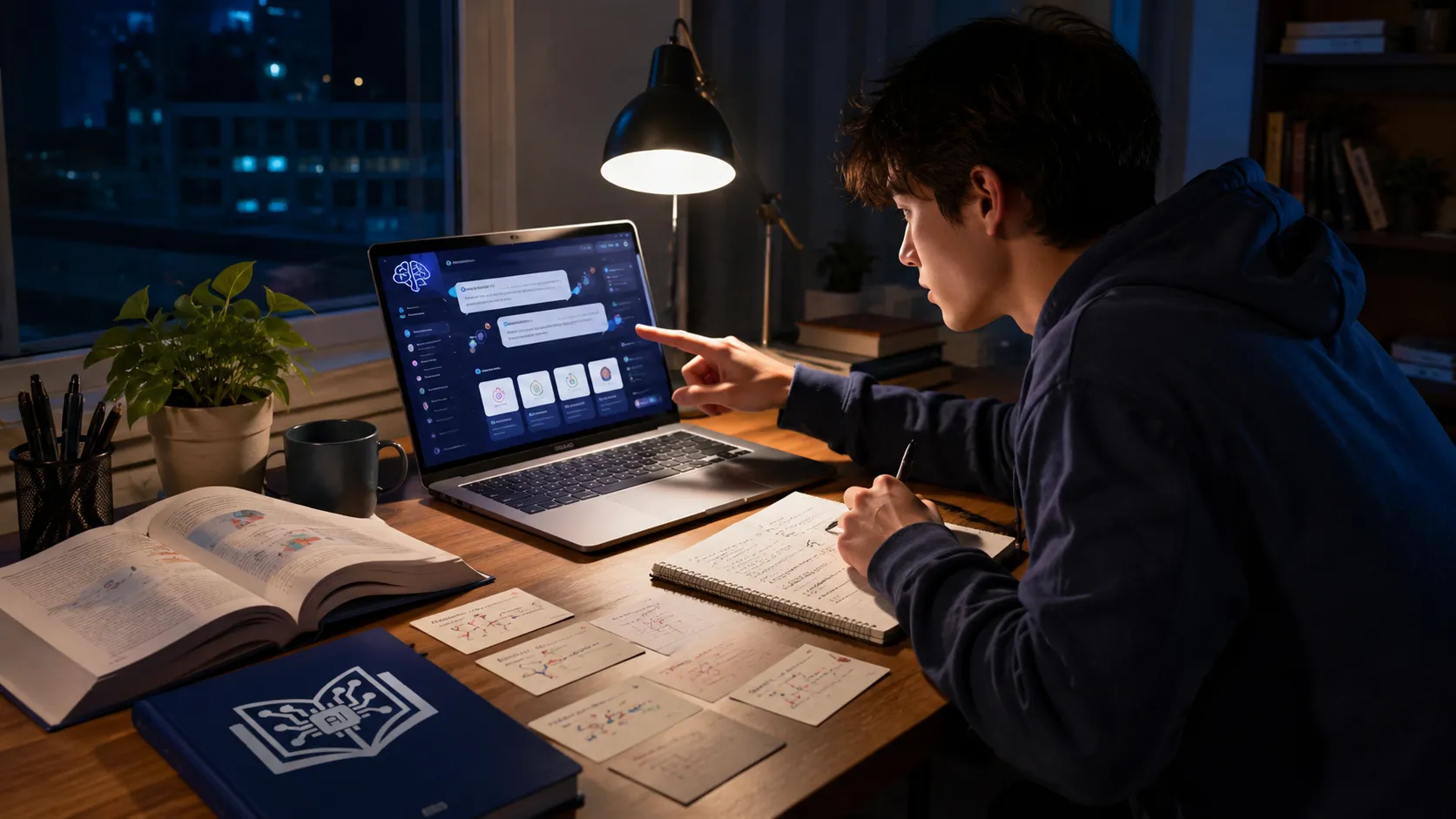
AI can help you avoid sleep while studying because it can turn passive notes into interactive tasks.
Use AI to create:
- Quizzes
- Flashcards
- Practice questions
- Chapter summaries
- Memory games
- Timed revision plans
- Simple explanations
- Exam-style questions
Example prompt:
Turn these notes into 15 active recall questions. Make the questions short and exam-focused. Add answers after each question.
Another prompt:
I am feeling sleepy while studying. Make this topic more active with a 30-minute study plan, a quick quiz, and 5 flashcards.
Students can also read how students can use ChatGPT for study for better ways to turn AI into a study partner, not a shortcut.
For full exam planning, check best AI tools for exam preparation.
12. Take a Power Nap When Needed
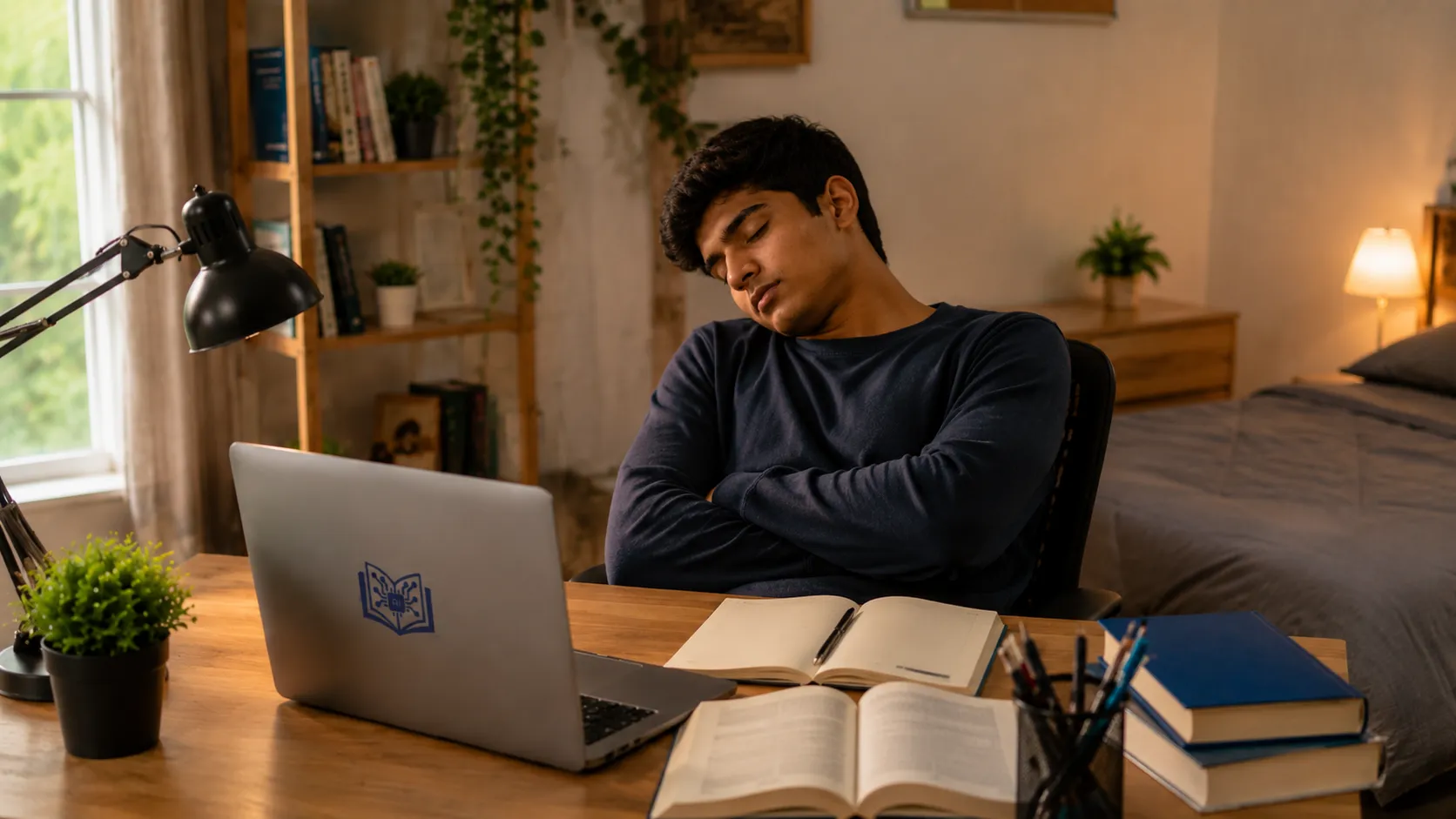
Sometimes the best way to avoid sleep while studying is to sleep for a short time.
That sounds funny, but it works.
If your brain is shutting down, forcing yourself may waste time. A short nap can reset your alertness.
Try:
- 10–20 minute nap
- Set an alarm
- Don’t nap for too long
- Wake up, wash your face, drink water
- Start with an easy active task
Long naps late at night can make you groggy, so keep it short.
13. Sleep Properly Before Big Study Days
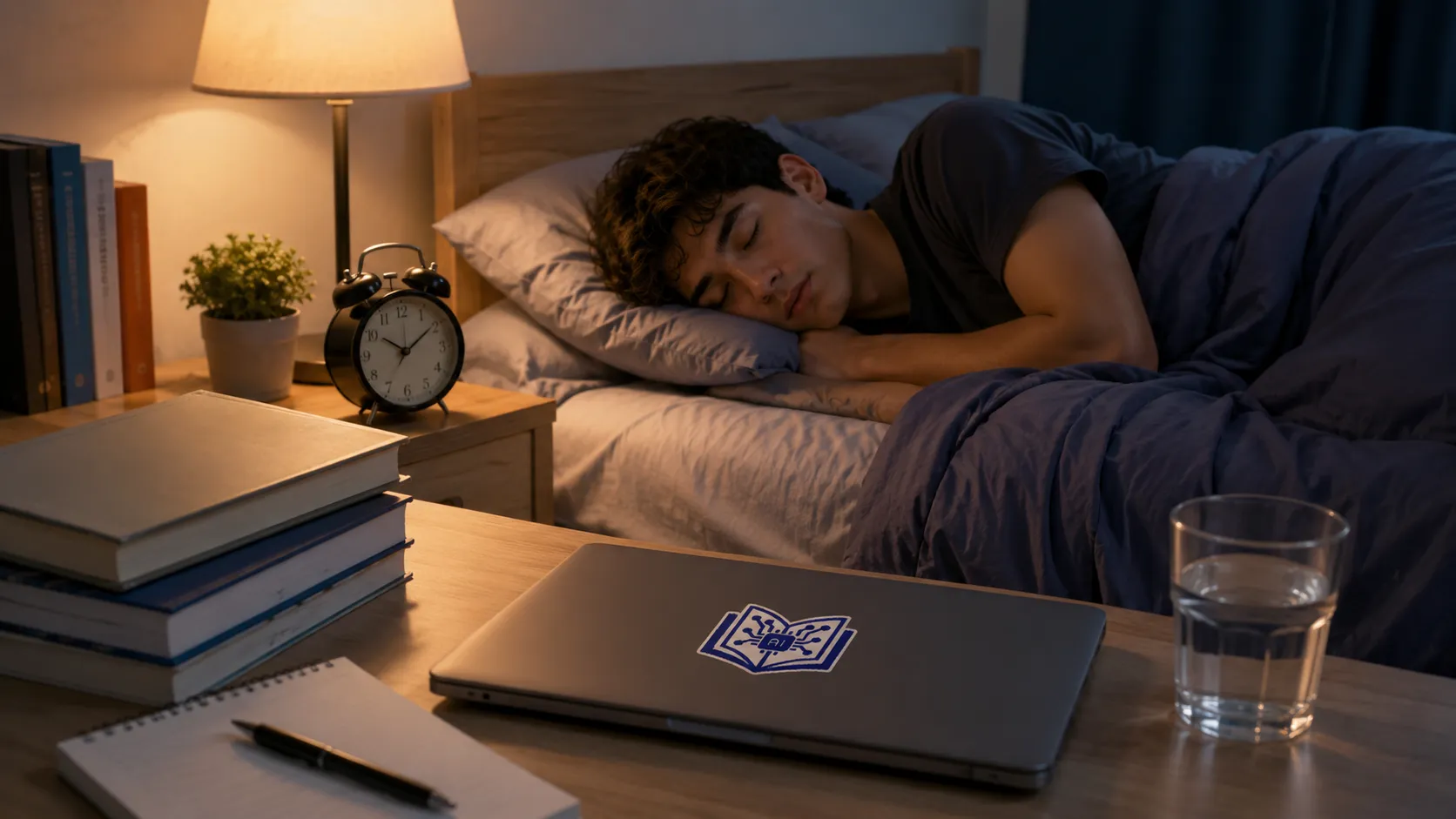
The best way to stay awake while studying today is to sleep well yesterday.
Sleep affects attention, mood, memory, and learning. The CDC explains that adults generally need at least 7 hours of sleep per night, while teenagers need more. (CDC)
If you keep sleeping only 3–4 hours, no study hack will fully save you.
Better sleep habits:
- Sleep and wake at similar times
- Avoid late-night scrolling
- Keep your room dark at bedtime
- Don’t drink caffeine too late
- Review lightly before sleeping
- Avoid starting a new hard chapter at 2 a.m.
Studying is not only about time spent. It is about how much your brain can actually store.
What to Eat and Drink to Stay Awake While Studying

Food can help or hurt your study session.
Best Foods Before Studying
Choose foods that give steady energy:
- Oats
- Eggs
- Yogurt
- Nuts
- Fruit
- Whole grain bread
- Rice in a small portion
- Lentils
- Chicken
- Fish
- Vegetables
Foods That Can Make You Sleepy
Avoid or reduce:
- Very oily food
- Huge rice meals
- Heavy fast food
- Too many sweets
- Sugary drinks
- Large desserts
- Overeating at dinner
What About Coffee?
Coffee can help with alertness, but don’t depend on it too much.
Use it wisely:
- Drink small amounts
- Avoid it too late at night
- Don’t mix it with energy drinks
- Don’t replace sleep with caffeine
- Drink water too
Coffee is a tool, not a personality.
How to Study When You Are Too Sleepy
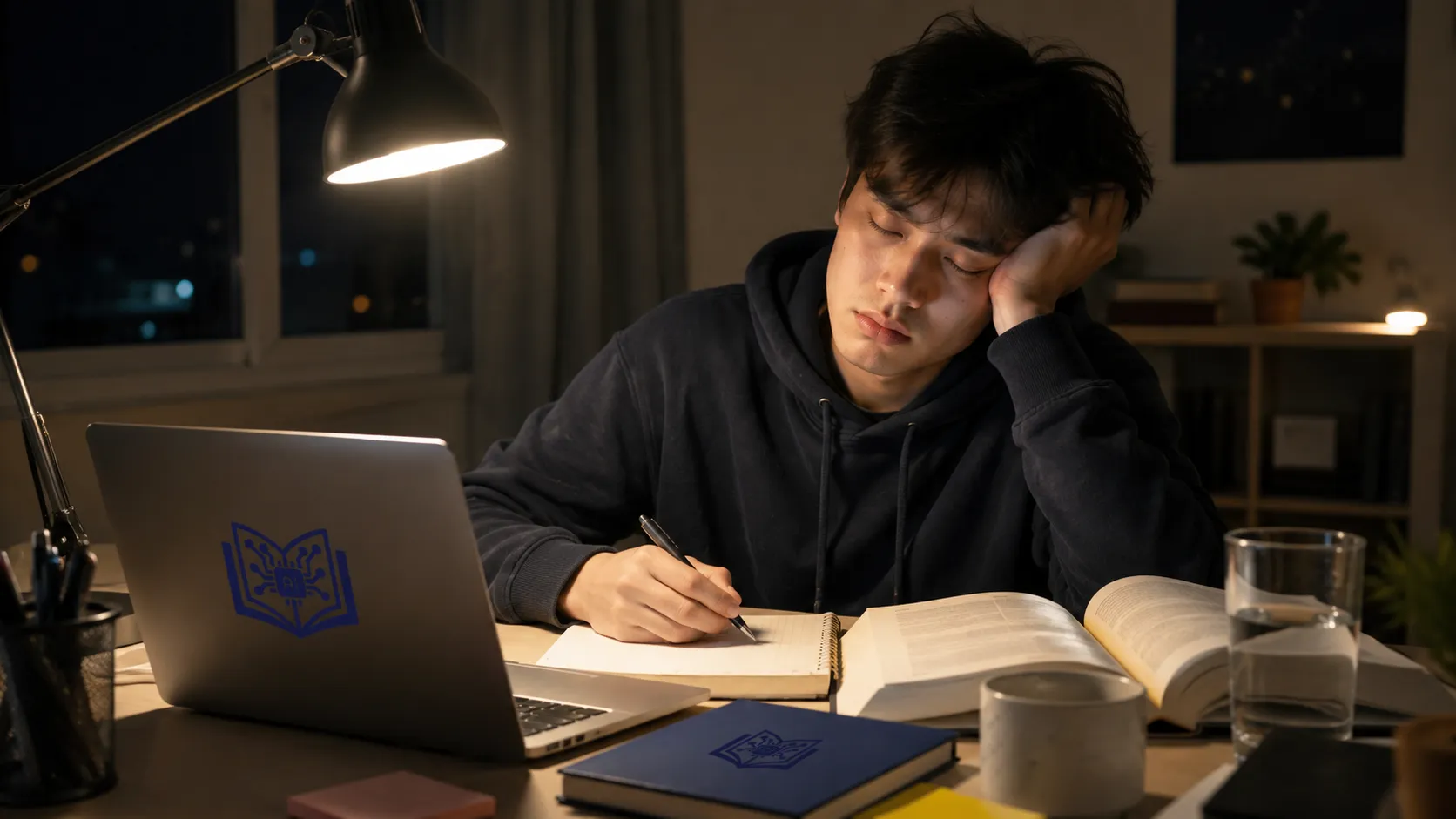
If you are already very sleepy, don’t start with the hardest topic. Your brain may resist.
Use this reset plan:
Step 1: Stand Up
Walk for 3–5 minutes. Stretch your arms, shoulders, and neck.
Step 2: Wash Your Face
Cold water can help you feel more alert.
Step 3: Drink Water
Hydrate before restarting.
Step 4: Switch to Active Work
Don’t read long paragraphs. Start with:
- Flashcards
- MCQs
- Past paper questions
- Diagrams
- Oral revision
- Writing from memory
Step 5: Set a Tiny Goal
Tell yourself:
I will study only this one page for 15 minutes.
Small goals reduce mental pressure.
Step 6: Sleep If You Keep Fading
If you keep rereading the same line and remembering nothing, sleep may be the smarter choice.
Common Study Mistakes That Make You Sleepy
Small habits can make studying feel harder than it should. Fix these mistakes to stay more alert, focused, and productive.
Studying in Bed
This is the number one mistake. Your brain links bed with sleep. Keep your study and sleep areas separate so your mind understands when it is time to focus.
Rereading Without Testing
Rereading feels easy, but it makes you passive. Use questions, flashcards, and practice problems to keep your brain active while studying.
Eating Too Much Before Study
A full stomach can make your eyes heavy and your body slow. Eat lighter meals before long study sessions so you feel comfortable and alert.
Taking Breaks on Social Media
Scrolling does not rest your brain. It overstimulates it. After scrolling, studying often feels even more boring.
- Walk
- Stretch
- Drink water
- Look outside
- Breathe deeply
- Clean your desk
Studying Without a Plan
If you sit down and say, “I will study everything,” your brain panics. A clear goal makes the session easier to start and easier to finish.
- Revise chapter 2 definitions.
- Solve 10 math questions.
- Make flashcards for biology terms.
- Review mistakes from past paper.
Need Help Finishing Tasks Faster?
For students who struggle to finish tasks quickly, this guide can help with better planning, focus, and assignment completion.
Read: How to Finish Summer Assignments Fast →Use This If You Have to Study at Night
A simple night study routine to stay focused, avoid sleepiness, and protect your next-day performance.
Setup
Prepare your study space before you begin so your brain knows it is time to focus.
- Clean desk
- Bright light
- Water bottle
- Phone away
- Notes ready
First Study Block
Study the hardest topic first while your mind still has the most energy.
Break
Walk, stretch, and drink water. Keep the break short and active.
Active Recall
Close your notes and test yourself. Try to remember answers without looking.
Break
Avoid social media during this break because it can steal your focus and time.
Practice Questions
Solve questions, past paper items, or short exercises instead of only reading.
Review Weak Areas
Focus only on mistakes and weak points. Do not restart the whole chapter.
Quick Recap
Write a short summary from memory to lock the main points in your mind.
Sleep or Continue Light Review
Only continue with light revision if needed. Avoid starting a completely new hard topic.
If your exam is tomorrow, sleep matters. Don’t destroy your next-day performance by forcing an all-night study session.
Pro Tip Box: The 3-Question Wake-Up Method
When you feel sleepy, ask yourself these three questions:
- Am I sleepy because my body is tired?
If yes, nap or sleep. - Am I sleepy because the method is boring?
If yes, switch to active recall. - Am I sleepy because the room is too comfortable?
If yes, change light, posture, or place.
This simple check helps you fix the real problem instead of just blaming yourself.
Short Story: How One Student Fixed Night Sleepiness
Last semester, imagine a student named Hamza. He used to study on his bed after dinner. Every night, he opened his book, read two pages, and woke up an hour later with the book on his chest.
Then he changed three things.
He moved to the dining table. He kept a bottle of water beside him. And instead of reading silently, he made short questions from every heading.
Within a week, his night study improved. He was not magically full of energy, but he stopped falling asleep after ten minutes. The big change was not motivation. It was environment plus active study.
That’s the point. Don’t wait to “feel serious.” Build a setup that makes focus easier.
Checklist: How to Avoid Sleep While Studying
Before you start, check this list:
- Am I sitting away from bed?
- Is the room bright enough?
- Do I have water nearby?
- Is my phone away?
- Did I choose one clear study goal?
- Am I using active recall?
- Did I plan short breaks?
- Did I avoid heavy food?
- Am I ready to move if I feel sleepy?
- Do I need a short nap instead of forcing it?
FAQ
1. How can I avoid sleep while studying at night?
Study in bright light, sit upright, avoid the bed, drink water, take short movement breaks, and use active recall. Don’t just read silently. Test yourself, solve questions, or teach the topic aloud.
2. What should I drink to stay awake while studying?
Water should come first. Coffee or tea can help, but don’t overuse caffeine or drink it too late. Avoid too many sugary drinks because they can lead to an energy crash.
3. Is it good to study the whole night?
Studying the whole night is usually not ideal. Sleep supports focus, memory, and learning. If you must study late, focus on important topics, use active methods, and sleep as soon as you can.
4. Why do I feel sleepy as soon as I open my book?
You may be tired, bored, studying passively, sitting in a dark room, or studying in bed. Change your place, use brighter light, and turn the topic into questions or practice tasks.
5. Does walking help avoid sleep while studying?
Yes. Short walks and movement breaks can increase alertness and help you reset your focus. Even 3–5 minutes of movement can make a tired study session feel better.
6. Should I nap before studying?
If you are very sleepy, a short 10–20 minute nap can help. Set an alarm and start with an active task after waking up, such as flashcards or practice questions.
Conclusion
Learning how to avoid sleep while studying is not about forcing your brain like a machine. It is about giving your brain the right conditions to stay alert.
Use bright light. Sit away from bed. Drink water. Move often. Eat light. Keep your phone away. Use active recall. Take short breaks. Sleep properly when your body truly needs rest.
The goal is not to stay awake for the longest time. The goal is to study in a way that actually works.
Start with one change today: move away from the bed and turn your notes into questions. That small change alone can make your next study session much more effective.
About Prof. Irfan
About Prof. Irfan
Prof. Irfan is an AI in education researcher and former classroom teacher. He helps educators and students integrate AI tools ethically and effectively for better learning, exam preparation, and classroom productivity.